
Disguised Coercion & Performativity
Introduction
The Mechanism of Disguised Coercion
How Performativity Delivers Coercion
Tracking Coercion via a Diagnostic Lens
Why This Tracks Especially Well with Efficiency Ideology
A Midlife-Specific Observation
Conclusion & Key Takeaways
Additional Reading
Introduction
In the previous installment,[1] I discussed performativity and the ideology of efficiency. Specifically, I examined efficiency as getting the most done in the least time, and questioned whether “hustle” and “grind” are about efficiency or performance. I also examined how Gen Xers can move beyond the hackneyed “work smarter, not harder” narrative and start working better. In this installment, a continuation of the former, I will show the link between performativity and disguised coercion, peek under the hood at the delivery mechanism, and suggest steps for identifying and tracking this particular flavor of disguised coercion. Let’s get into it.
The coercion is that the metric itself became the master. You know, or imagine, you’re being watched, so you perform.
The Mechanism of Disguised Coercion
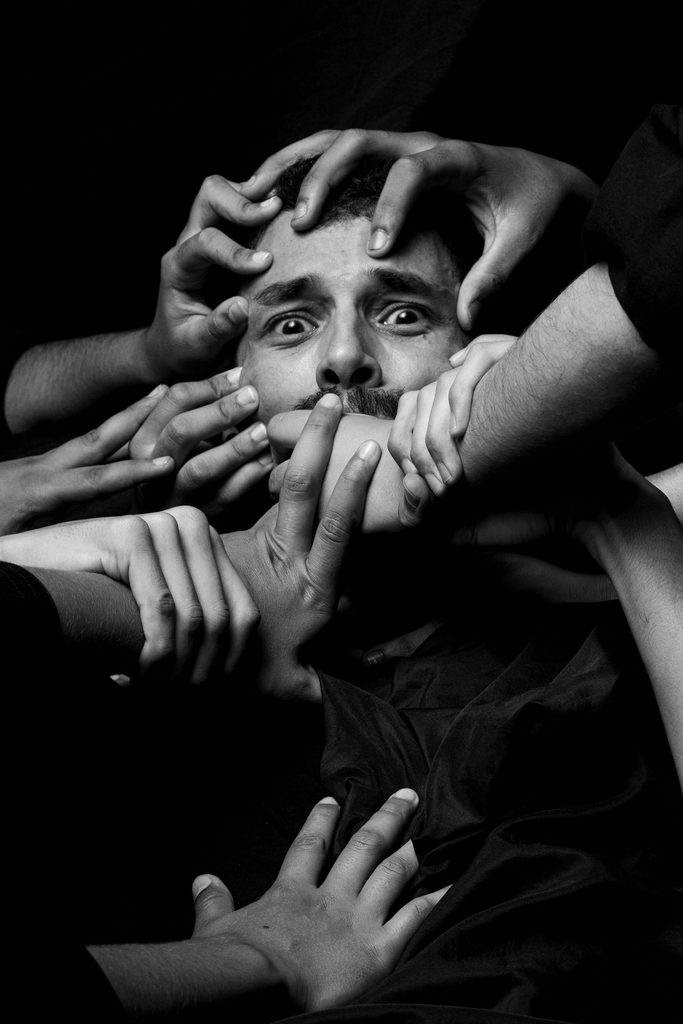
Stated perspicuously, disguised coercion is when a choice feels free but is actually compelled by a social script you didn’t consciously choose. The coercion is an external force concealed inside the feeling of choosing. In fact, I would go as far as to say it’s the appearance of choice. That’s what makes it so hard to detect; it poses as autonomy.
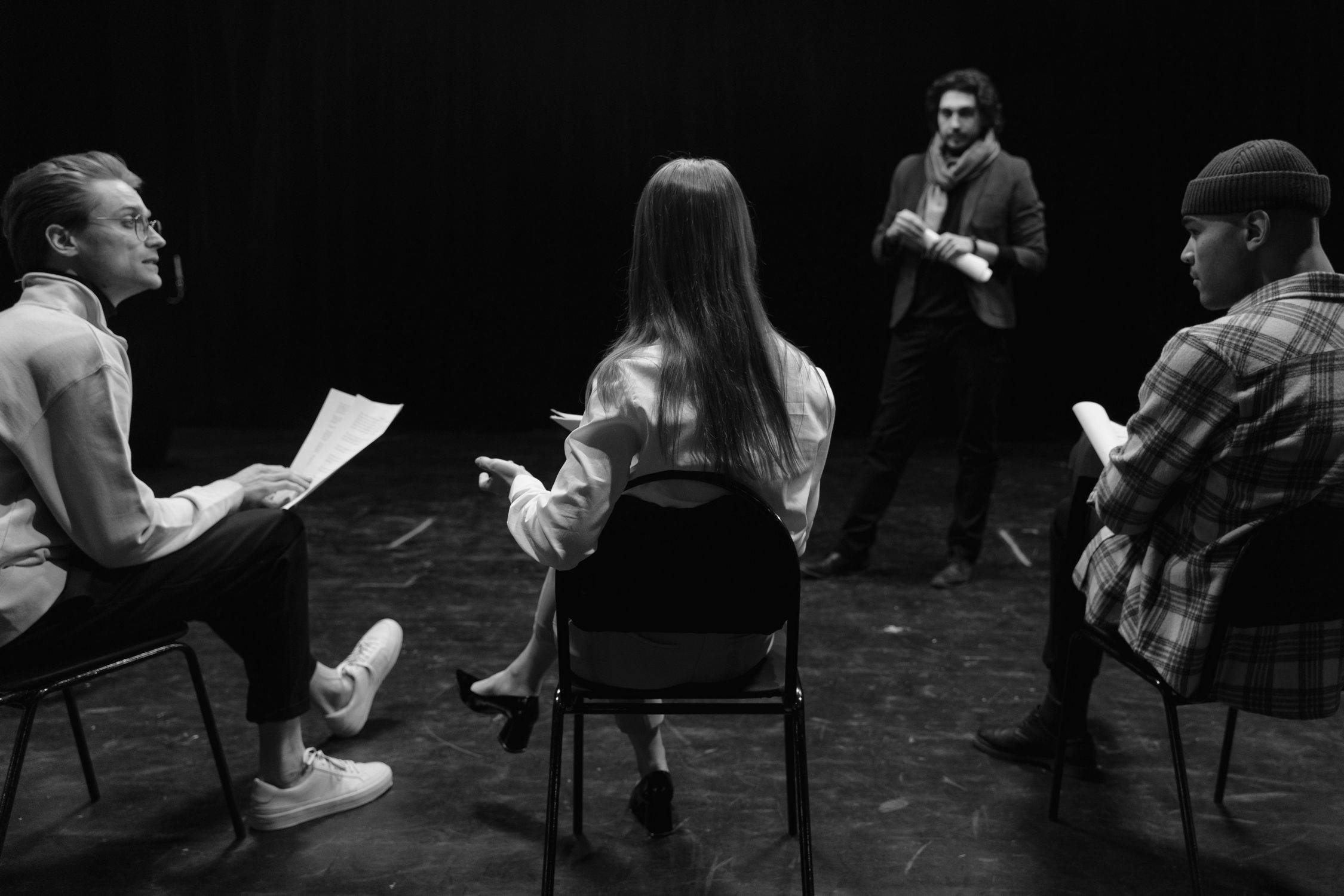
Performativity is one of the most effective delivery systems for disguised coercion because performance requires an audience, and audiences silently impose norms. Here’s the rub: You’re not told what to perform; you cryptically feel the pull toward certain prewritten scripts.
How Performativity Delivers Coercion
Here’s the unique morphology at play. If you recall, when discussing the “work smarter, not harder” slogan,[2] I said it once had gravitas and credibility; not so much today. In disguised coercion, the mechanism is that you may convince yourself you are working harder, not smarter. You may go as far as to say: “I’ve chosen an efficient path. I’m in control.” It sounds great. The hidden coercion has a different view: “If you’re not visibly optimizing, you’re falling behind. If you fall behind, you lose status. Therefore, you must perform optimization constantly—even when the expense is greater than the savings.”
The coercion isn’t “your boss told you to do ‘X’”; that’s a directive. The coercion is that the metric itself became the master. You know, or imagine, you’re being watched, so you perform. You’re now performing for an unmounted internalized scoreboard. You’re holding it for a crowd who isn’t there. That’s the rub: You are playing for self-created spectators. And this is precisely what makes 45+ the pressure point: You’ve had enough time to notice that the scoreboard was never real, but not enough permission yet to put it down. Let’s look at how this tracks.
Tracking Coercion via a Diagnostic Lens
To jump right in, here’s how to concretize this. For any work decision, run these three questions:
- The Audience Test Question: Ask yourself: “Who would be impressed or reassured if they saw me doing this?” If the honest answer is “no one” or “only people whose opinions I claim not to care about,” you’ve found the performance layer. NOTE: This doesn’t mean you discard the task. It means you now know two things are happening: The real purpose and the performed purpose.
- The Inversion Test Question: Similarly, ask yourself: “If no one could ever know I did this, would I still do it? At what cost?” Without an audience, performativity collapses. Conversely, efficiency claims survive invisibility. If motivation vanishes after you subtract discoverability and visibility, you didn’t choose it. Think of it using this analogy: It’s like an Old School writer. Many authors writing before the Internet Age often talked about feeling compelled to write, even if no one ever read a word. It’s essentially that. The audience, much like the readership then, is not the point. That is how choice is distinguished from the dross.
- The Counterfactual Test Question: “What would I have to give up if I didn’t want to do this?” The expense of a genuine choice is revealed immediately and honestly. Disguised coercion hides the price until after you’ve shopped. You only discover you were paying in hours, health, and attention after you put in the work. By naming the cost before you decide, you convert coercion back into choice. No bait-and-switch, no price gouging, no dynamic pricing; you name the upfront cost you’re willing to pay.
Why This Tracks Especially Well with Efficiency Ideology
The genius of efficiency as a coercive frame is that it moralizes speed. Slowness becomes a character flaw rather than a legitimate pace. So when you slow down, you feel guilty, and that guilt is the coercion surfacing. You justify the slowdown with efficiency language: “I’m recharging so I can produce more later.” The problem is that justification is the disguise reasserting itself. Keep this in mind: The moment you defend rest (I’ve written about having the discipline for rest) using productivity logic, the coercion has won… again. Working better, neither smarter nor harder, means being able to say, “I chose to stop because stopping is what I wanted.” This works without converting that want back into a productivity argument.
A Midlife-Specific Observation
Here’s a thought: You go to work in the morning. You walk into a building where what you do, how you do it, and what’s done with the fruits of your cognition and physical being are all dictated by a small group of people over whom you exercise no power whatsoever. They can fire or let you go “at will,” whenever they think it’s in their best interest. That’s usually the largest audience, though typically, for them you’re nothing more than an employee ID number. Yeah. We spend 40–60+ hours a week making someone else’s dream come true, often leaving us too exhausted to work on our own.
Conclusion & Key Takeaways
At 45+, disguised coercion often shifts from acquisition to legitimacy. Workers under age 40 typically view the workplace through the lens of performance: “I must achieve ‘X’ to prove I’m capable.” This is understandable; many are new to the workforce, some are recent grads, some want to impress phantoms, and others want only to prove they can make it on their own. They represent a younger workforce; output is championed, and the future remains infinite and distant.
For the 45+ crowd, the paradigm shifts: “I must appear settled to prove I’m not failing.” Are they both performances? Sure. Both are performances, but the second is sneakier because it looks like wisdom. The person who says “I’ve decided to focus on what matters” may be genuinely free or may be performing serenity because unperformed uncertainty feels socially expensive at midlife.
Here’s the blueprint: Pay attention to the mechanism of disguised coercion, especially how performativity delivers coercion by demanding an audience. Beware of silently deployed societal norms that push you toward actions you’d otherwise avoid. Track episodes of efficiency dressed up as choice; it’s usually hidden behind disguised coercion.
When it’s all said and done, that 40–60-hour work week performance serves one purpose: making someone else rich… at your expense. With that, I leave you with the question: Would you still choose performativity if no one, including your future self telling the story, ever knew?
Additional Reading
1. Performativity and the Ideology of Efficiency
2. Ibid