
Excerpt From Performativity & the Ideology of Efficiency
The core tension we need to identify is subtle but crucial: Efficiency claims to optimize for output, but performativity optimizes for visibility. The difference between the two is the difference between a technical promise and the appearance of the same promise. Efficiency says: “Get the maximum result in minimum time.” That’s a technical promise, one directly linked to measurable output. Conversely, performativity, a social signal, says: “Get the appearance of maximum result in minimum visible time.”

There was a time, beginning in the Industrial Age, when efficiency and output were metrics worth the gravitas they received. Unfortunately, today, the ideology of efficiency has become one of moral performance. It’s not that most people don’t want to be productive; it’s that being seen as productive has replaced productivity itself as the goal. Actual production output has been captured by the desire to be seen. As such, we frequently see people online posting goofy videos of themselves at work, in uniform, performing instead of working. None of this is harder, smarter, or even more efficient; it’s mere theatre; pantomimists conveying whatever they deem worthy of being watched.
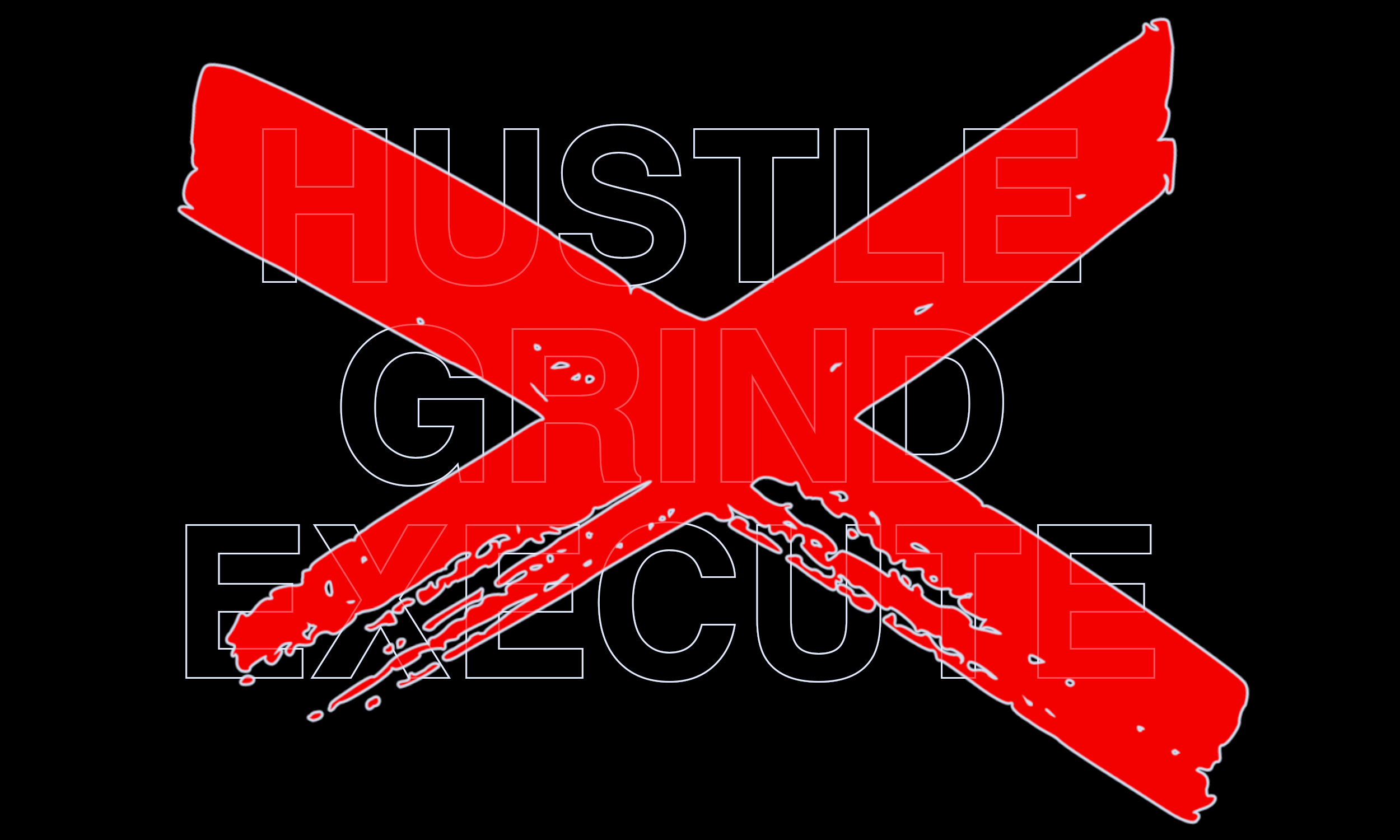
Back when “work smarter, not harder” became a slogan, it was supposed to be anti-hustle. Instead, along the way, it became hustle culture with better branding. A manager at a company that I once worked for would say it with reckless abandon, though he hardly ever worked and was known for cutting corners. Ironically, he decorated his office with “Grind,” “Hustle,” and “Execute” wall art. Go figure. To get back on topic, the “smarter” part of the statement is also performative; it signals sophistication, control, and intentionality. It’s another shiny, “look at me” apparatus. The “not harder” part is mere aspirational theater, because most people are working harder (typically). It might not be visible, but they’re putting in the work.